

-

 Sold out
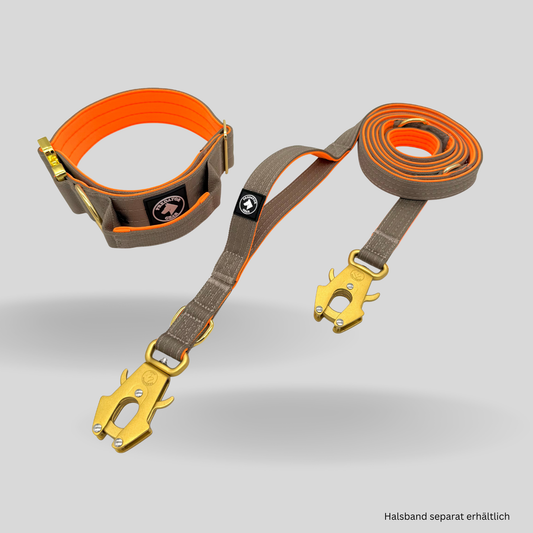
SUNSET - adjustable leash 135-250 cm
Regular price €49,99 EURRegular price -
VOLTAGE - adjustable leash 135-250 cm
Regular price €49,99 EURRegular price -
SHOCKWAVE - adjustable leash 135-250 cm
Regular price €49,99 EURRegular price -

 Sold out
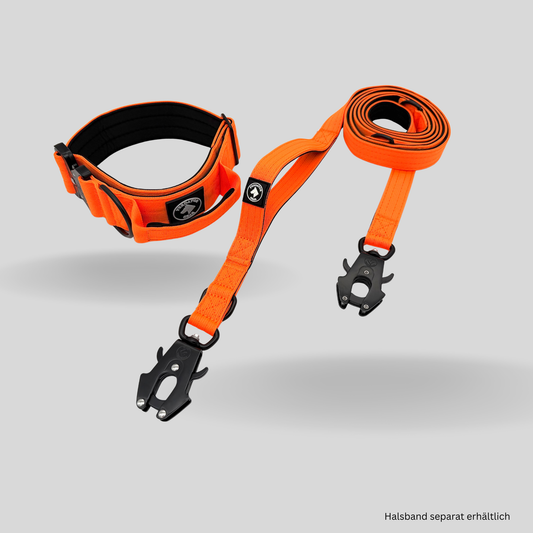
IGNITE - adjustable leash 135-250 cm
Regular price €49,99 EURRegular price -
BLACKOUT - adjustable leash 135-250 cm
Regular price €49,99 EURRegular price -
SUNSET - tactical lead 150 cm
Regular price €39,99 EURRegular price -
MIDNIGHT GOLD - adjustable leash 135-250 cm
Regular price €49,99 EURRegular price -
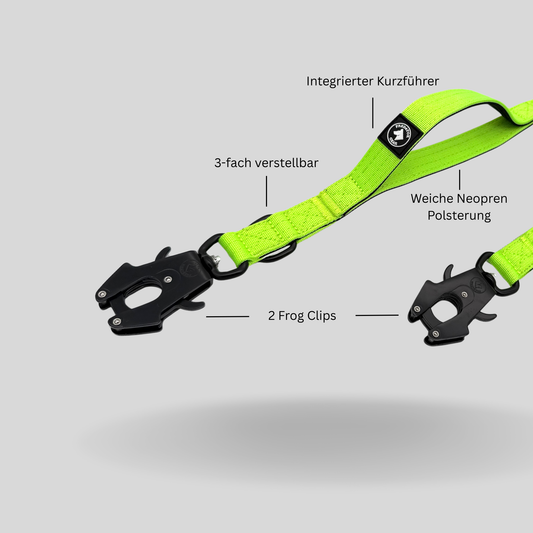
VOLTAGE - tactical lead 150 cm
Regular price €39,99 EURRegular price -
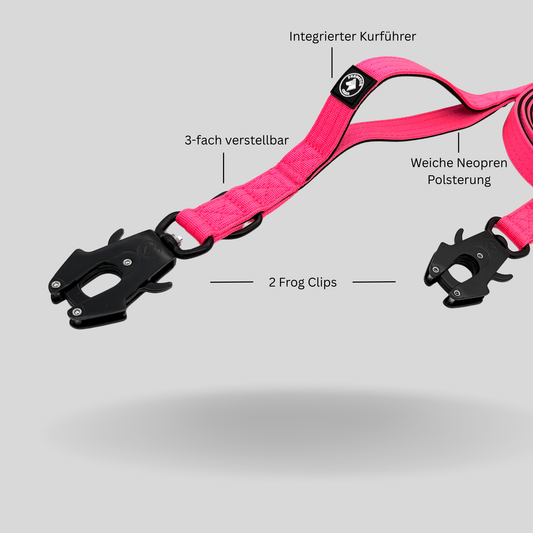
SHOCKWAVE - tactical lead 150 cm
Regular price €39,99 EURRegular price -
BLACKOUT - tactical lead 150 cm
Regular price €39,99 EURRegular price -
MIDNIGHT GOLD - tactical lead 150 cm
Regular price €39,99 EURRegular price -
IGNITE - tactical lead 150 cm
Regular price €39,99 EURRegular price












Discover more

Which dog leash is the best?
Which leash is right for you always depends on the context in which you want to use it and which breed your four-legged friend belongs to. One might think a simple leash is sufficient for every walk, right? Theoretically, yes, but this is not advisable, especially for powerful dogs. On the one hand, inferior material could tear under sudden stress, or the clasp could give way. On the other hand, without the right guidance, you can quickly lose control of your powerhouse in tricky situations.
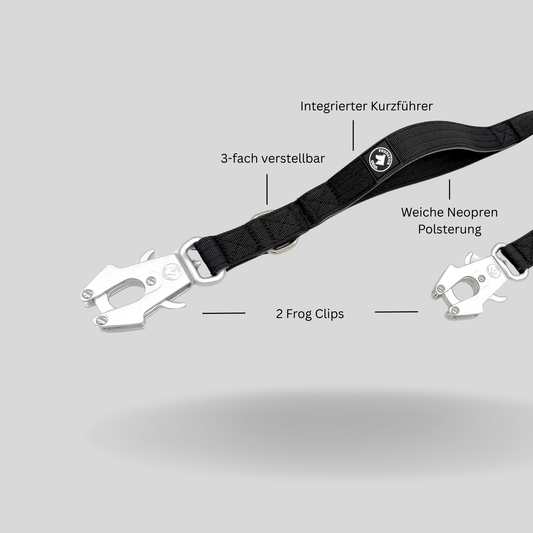
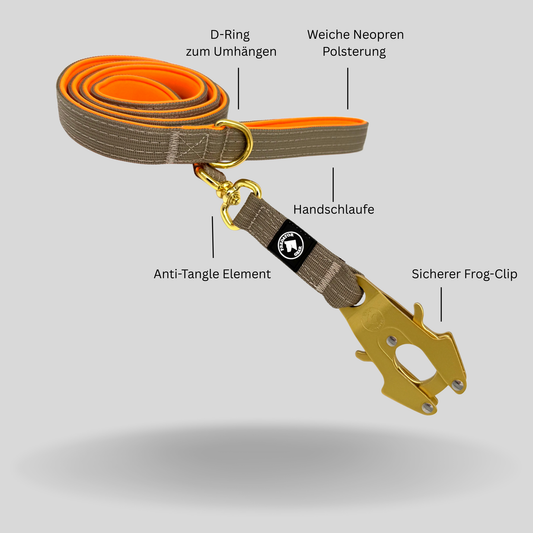
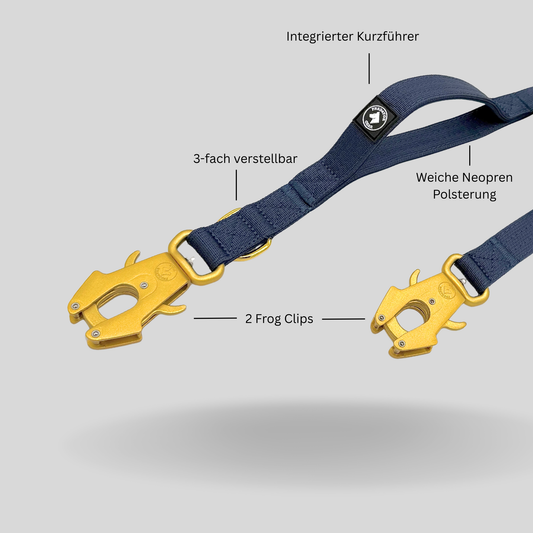
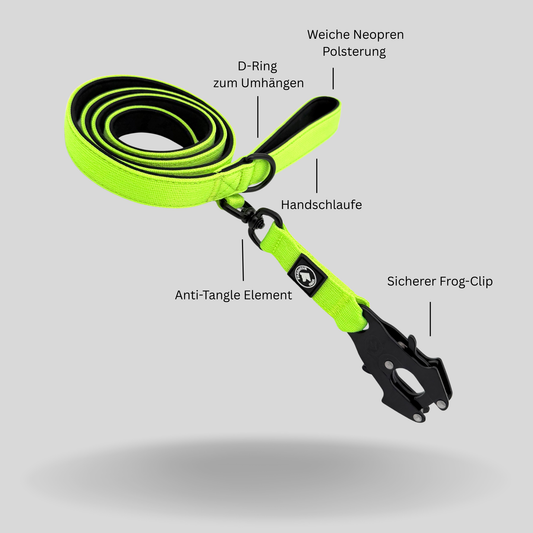
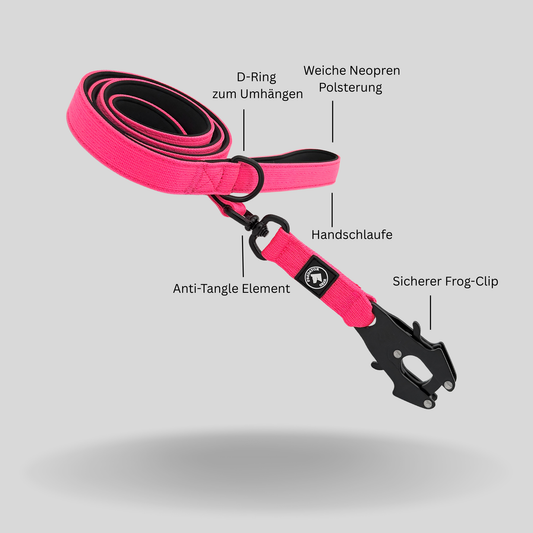
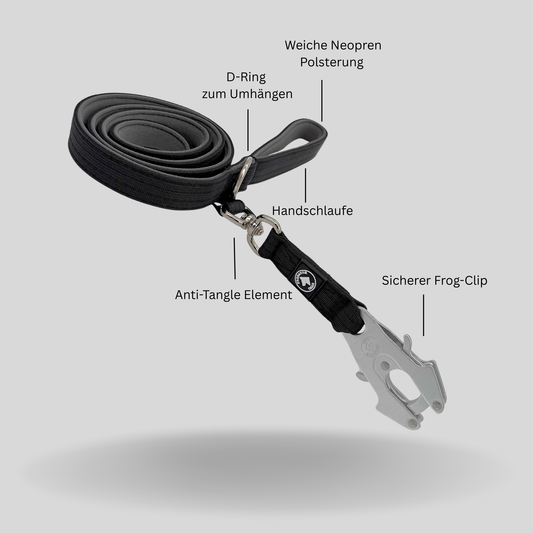
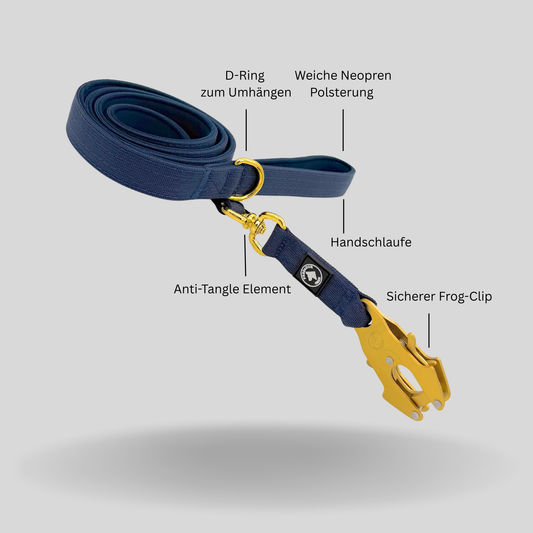
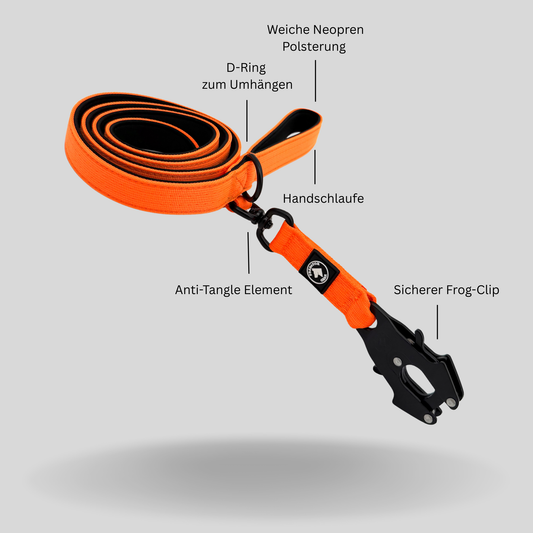
In contrast to standard models, Predator Gear leashes are equipped with a robust safety carabiner, protecting you from unintentional unhooking. Buying a professional leash is therefore an investment in your dog's safety. Our adjustable models with a short lead offer you maximum control, while our 150 cm walking leashes can even be comfortably tied around you during a walk. Thus, our designs not only make a tactical statement but also guarantee you full control – for puppies, small, and large breeds.
Which hand should you actually hold the dog leash in?
There's no universal answer to which hand is the "right" one for the leash, as it primarily depends on the situation and your preferred walking side. Traditionally, many dog owners walk their canines on their left, which usually means holding the leash in their left hand. But is that strictly necessary? Not necessarily. While one-handed control offers more freedom, it also carries the risk of a sudden tug throwing you off balance, especially with strong dogs.
In fact, holding the leash with both hands is often the safer choice. You can securely fasten the upper part of the leash around your wrist, while using your free hand to exert maximum control over the short lead above the safety snap hook. The decision for the right technique, therefore, is primarily a question of stability.